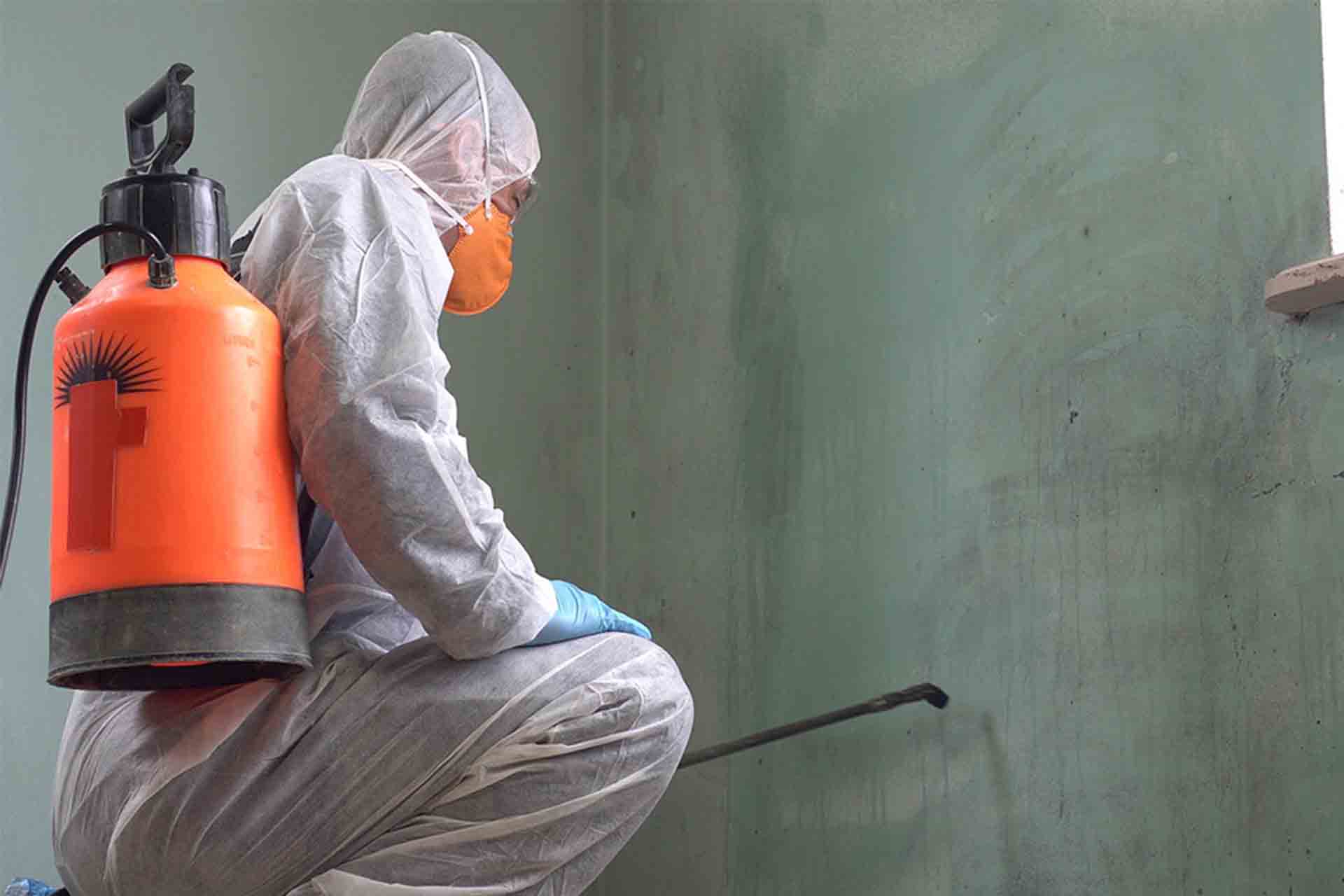
Labor costs for mold removal and remediation typically gets rolled into the square puroclean Los Angeles footage cost of a quote, but according to Cleanfax’s 2021 Restoration Benchmarking Survey Report, mold remediation labor costs averaged $99 an hour with a median cost of $75 an hour. Labor costs will vary based on the size of the project and the number of people needed to remove mold.
Factors That Affect the Cost of Mold Remediation and Removal
Several things can affect the price of mold removal and remediation depending on how you want to tackle the problem. If you decide to have an inspection, that will add to the cost. The type of mold has a possibility of increasing cost because black mold, also known as Stachybotrys chartarum, can cause greater concern. The extent of the damage can impact the total cost of the remediation project as well.
Cost of Inspection
A mold inspection can cost $650 on average. Mold inspection costs for small- to medium-sized houses can range from $300 to $400 while a larger home can cost between $700 to $1,000. Some mold removal specialists won’t do testing or an inspection unless requested. Mold removal technicians can test for mold by spraying an area.
Type of Mold
Most mold removal is treated in the same way, but knowing the specific type of mold can help determine the depth of the removal work.
Black mold: Black mold gets more attention because Stachybotrys chartarum gained attention in the media around 1993-94 after a cluster of cases of pulmonary hemorrhage and hemosiderosis in infants occurred in Cleveland after living in water damaged residences where investigators found Stachybotrys chartarum. A hypothesis was formed that linked Stachybotrys chartarum to the illnesses, but later the Centers for Disease Control (CDC) couldn’t conclude a possible association between acute idiopathic pulmonary hemorrhage among infants and Stachybotrys chartarum.
Alternaria: Alternaria mold appears as a dark, green-gray color and mostly exists outdoors. It can travel indoors and spread on carpets, wallpaper and fabrics.
Aspergillus: Aspergillus mold comes in a variety of colors from white, green and red. Penicillin is derived from Aspergillus and those with an allergy to penicillin can feel the effect of Aspergillus.
Chaetomium: Chaetomium has a blue-green color and can appear in areas that have experienced prolonged periods of high humidity and dampness. It can appear most often in air ducts and walls.
Cladosporium: Cladosporium has a white color and can appear often. It has the possibility to affect people with allergies and asthma.
Fusarium: Fusarium can appear as white, yellow, brown or pink. It typically grows outdoors and affects plants.
Green mold: Many molds can have a green color and can affect people with allergies and asthma.
Serpula lacrymans: Serpula lacrymans most often has a yellow color to it. It appears frequently on wood structures and furniture. It can sometimes get called slime mold because of its soft, liquid texture.
White mold: Many molds appear white in color. The texture can differentiate the molds as some white molds have a powdery texture.
 Site Title
Leave a comment